



Twisted Natural Jute Rope for GYM Decoration


Jute rope is crafted from long vegetable fibers extracted from the stems of the jute plant, primarily grown in India and Bangladesh. These fibers are spun into strong threads and then twisted into rope. Naturally beige or golden-brown in color, jute has earned the nickname “the golden fiber.”
Key Characteristics
1. Eco-Friendly and Biodegradable
One of the biggest advantages of jute rope is that it is 100% biodegradable. Unlike synthetic ropes made from nylon or polypropylene, jute decomposes naturally, reducing environmental impact. Its cultivation also requires fewer pesticides and fertilizers, making it an environmentally responsible choice.
2. Strong and Durable
Despite its soft texture, jute rope is surprisingly strong. It can withstand significant tension, making it ideal for packaging, lifting, and crafting. Its natural grip helps knots hold securely, a feature appreciated by hobbyists and professionals alike.
3. Attractive Natural Texture
Jute’s rustic appearance adds charm to home décor projects. It is widely used in interior design for wall hangings, plant holders, lampshades, and furniture accents. The warm, organic color complements many design styles, from bohemian to farmhouse.
4. Cost-Effective
Compared to many other natural fibers, jute is affordable and widely available. This makes it a popular choice in industries that require large quantities of rope.
Common Uses of Jute Rope
1. Home Décor
Jute rope is a staple material for DIY enthusiasts. It is used to wrap vases, create rustic coasters, design photo frames, and make decorative shelves. Its flexibility and natural look make it perfect for artistic expression.
2. Gardening and Landscaping
Gardeners use jute rope to tie plants, support vines, or create trellises. Since the rope decomposes over time, it is gentle on plants and friendly to the environment.
3. Packaging and Agriculture
Before plastic became widespread, jute rope was the primary choice for packaging and binding agricultural products. Many industries still prefer it because it is strong, breathable, and environmentally safe.
4. Craft and DIY Projects
From macramé art to handmade toys and festive decorations, jute rope is incredibly versatile. Its softness makes it easy to work with, even for beginners.
5. Marine and Outdoor Use (Light Duty)
While jute is not as water-resistant as synthetic ropes, it is often used for light maritime activities or outdoor décor. It performs best when kept relatively dry.

-
Cautions:
1. Installation Safety
Ensure the rope is securely anchored to a strong, stable overhead support before each use.
Use only approved mounting hardware (steel brackets, carabiners, or beams) designed to hold your body weight.
2. Inspect Before Each Use
Check for fraying, unraveling, or damage to the rope or mounting hardware.
Discontinue use if any wear or weakness is found.
3. Indoor & Dry Use Recommended
Keep the rope dry and away from moisture to prevent mold or rot.
Avoid prolonged exposure to direct sunlight or harsh outdoor conditions.
-
Application:


Products categories
-
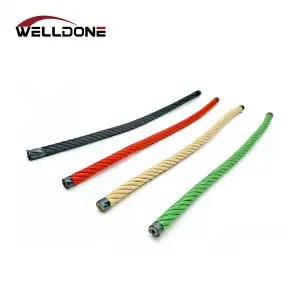
16mm 6 Strand Polyester Steel Core Combination ...
-
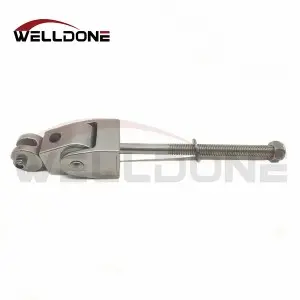
Stainless Steel 360 Degree Rotating Swivel Swin...
-
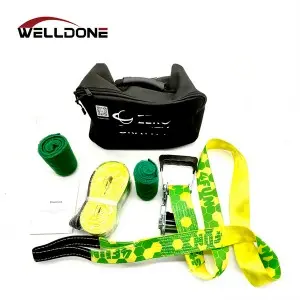
Customized Webbing Balance Training line Ninja ...
-
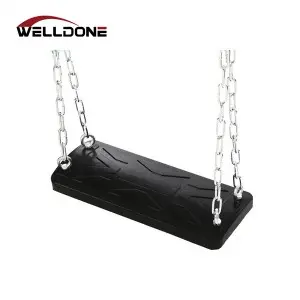
Children Built in Steel Plate Hard Board Silico...
-
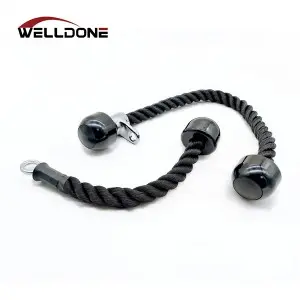
Gym Pulley Fitness Cable Attachments Single or ...
-
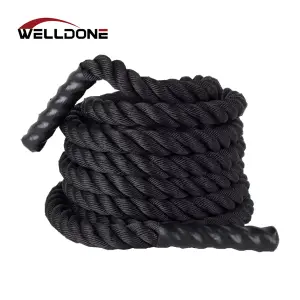
38MM 50MM Fitness GYM Strength Power Training P...