Top 10 Studless Anchor Chain Benefits for Global Buyers?
In the maritime industry, the importance of reliable equipment cannot be overstated. A leading expert in marine engineering, Dr. Samuel Harris, highlights this necessity by stating, “The right anchor chain can make all the difference in safety and efficiency.” Among various options, the Studless Anchor Chain stands out as a superior choice for global buyers.
Studless Anchor Chains offer numerous benefits that enhance performance. Their design minimizes points of failure, ensuring stronger and more reliable functionality. Additionally, these chains are lighter than traditional options, which simplifies handling and storage. Furthermore, the absence of studs reduces the risk of snagging and entanglement during deployment, a crucial factor for efficiency at sea.
While many appreciate these advantages, some overlook the long-term maintenance aspects. Choosing the right product requires careful consideration and expertise. It's essential for buyers to weigh the immediate benefits against potential challenges. By understanding the full scope of Studless Anchor Chains, buyers can make informed decisions that lead to safer maritime operations.
Understanding Studless Anchor Chains: An Overview
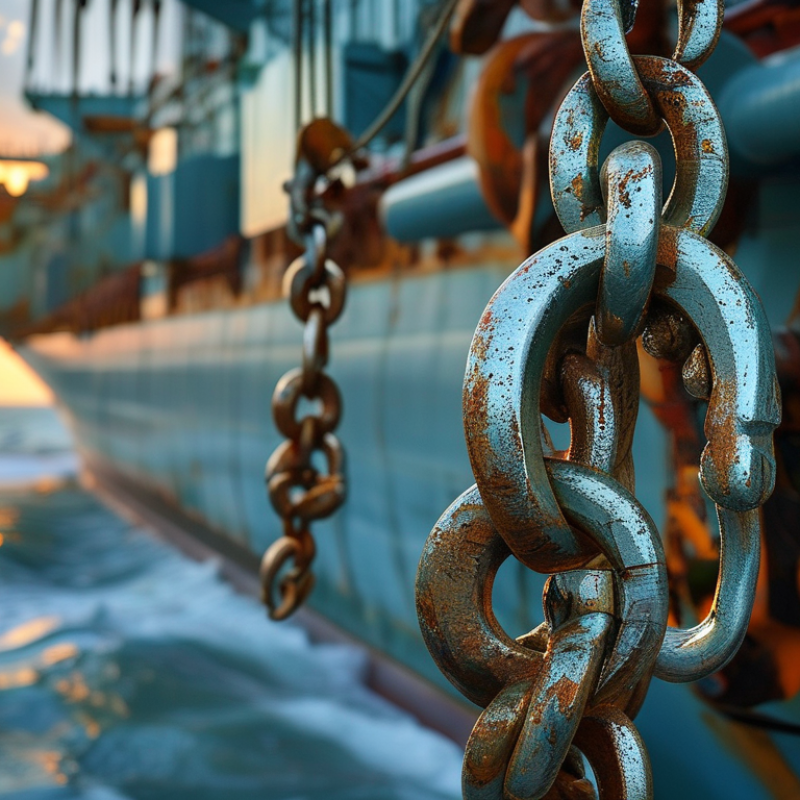
Studless anchor chains offer a unique design that enhances versatility in various marine applications. Unlike traditional anchor chains, studless versions lack protruding studs. This results in a reduced risk of snagging when in use. The smooth surface allows for easier deployment and retrieval. Many marine professionals appreciate this smoothness for minimizing abrasion and wear on both the chain and anchoring equipment.
Moreover, studless chains have a uniform cross-section, providing strength and flexibility. This design contributes to better performance in turbulent waters. They are easier to handle, which can be a significant advantage during anchoring. Weight is another consideration; studless chains are often lighter, facilitating easier management onboard.
However, there are challenges to consider. Not all users may be familiar with their maintenance requirements. Proper care is essential to ensure longevity. Regular inspections and cleaning are necessary steps that can be overlooked in busy operational settings. Additionally, while studless chains provide advantages, they may not be suitable for every anchoring scenario. Understanding the specific needs of a ship or marine project is crucial in making the right choice.
Key Advantages of Studless Anchor Chains for Marine Applications
Studless anchor chains are increasingly favored in marine applications. They offer a seamless design, which reduces the risk of entanglement. This is particularly beneficial in harsh marine environments where seabed conditions may be unpredictable. According to a report by the International Maritime Organization, about 30% of maritime accidents are linked to anchor issues. Studless chains significantly lower this risk.
The weight-to-strength ratio of studless anchor chains also stands out. They are designed to provide maximum holding power while minimizing weight. Data indicates that studless chains can be up to 25% lighter than their studded counterparts. This weight reduction translates to easier handling and installation on vessels. Additionally, the corrosion resistance of these chains enhances durability, prolonging their lifespan by up to 15 years in saltwater conditions.
Furthermore, maintenance requirements are lower for studless chains. Fewer components mean fewer points of failure. This aspect can help reduce operational costs for shipping companies. However, user feedback often highlights that these chains may require more rigorous inspections. Regular monitoring ensures their ongoing reliability, especially considering that marine environments can be harsh and unpredictable. These factors illustrate the practical benefits and necessary considerations associated with studless anchor chains in maritime operations.
Cost-Effectiveness of Studless Anchor Chains for Global Buyers
Studless anchor chains are increasingly favored for their cost-effectiveness. Reports indicate that these chains can reduce overall costs by up to 20% compared to traditional studded chains. This is largely due to lower raw material costs and reduced manufacturing complexities. Additionally, maintenance expenses tend to be lower, as studless designs are less prone to wear over time. Such financial benefits are crucial for global buyers operating in competitive environments.
Furthermore, these chains offer enhanced efficiency, which translates to further savings. Studies show that a well-designed studless chain provides better performance in various marine conditions. These operational advantages can lead to a longer service life, potentially more than 15% longer than their studded counterparts. This longevity contributes to lower replacement rates, adding to the overall cost efficiency.
However, it’s important to consider initial investment costs carefully. While studless chains are often cheaper over their lifetime, upfront costs might deter some buyers. The decision should weigh long-term savings against immediate budget constraints. In this evolving market, analytical comparisons and industry reports are invaluable for making informed decisions for both purchase and usage.
Top 10 Benefits of Studless Anchor Chains for Global Buyers
Durability and Maintenance Benefits of Studless Anchor Chains
Studless anchor chains offer remarkable durability and ease of maintenance, making them an essential choice for marine applications. Their seamless design reduces stress points, lowering the chances of failure over time. This is crucial in harsh marine environments, where traditional chains might succumb to wear and corrosion. With fewer components to inspect and maintain, vessel operators can focus on other vital areas of upkeep.
The lack of studs on studless anchor chains provides a smoother surface, enhancing the chain’s ability to lay flat on the seabed. This improves holding power and stability during anchoring. Regular checks are still necessary but often require less effort. Many users have reported reduced maintenance time, allowing for more efficient operations overall. However, it is important to remember that the absence of studs can lead to challenges in securing the chain comfortably within the anchor locker when not in use.
Investing in studless anchor chains brings about reliable performance. Their streamlined design translates into fewer issues with entangling or jamming. This can lead to improved safety on board. Still, critical evaluation is required to determine the best chain type for specific vessel requirements. Each benefit holds merit, but considerations should not be overlooked when making a choice.
Environmental Impact and Sustainability of Studless Anchor Chains
Studless anchor chains are increasingly recognized for their environmental benefits. They are designed for efficiency and durability, reducing the frequency of replacements. This minimizes waste, which is crucial in marine environments. Traditional chains often suffer from corrosion and wear, leading to more frequent disposal. Studless chains, however, offer longevity, resulting in less environmental impact.
Using studless anchor chains supports sustainability initiatives. They provide better holding power with fewer materials. This efficiency leads to a lesser need for heavy equipment, minimizing fuel consumption during deployment. Consider this approach during procurement to enhance operational sustainability.
When selecting anchor chains, examine the manufacture's recycling policies. Opting for chains made from recycled materials can further reduce your environmental footprint. Assess the chain's lifecycle to understand its total impact. By choosing responsibly, buyers take a proactive stance in preserving marine ecosystems.
Top 10 Studless Anchor Chain Benefits for Global Buyers
| Benefit |
Description |
Environmental Impact |
Sustainability Aspect |
| Enhanced Performance |
Studless anchor chains provide superior holding power and efficiency. |
Reduced drag and fuel consumption during marine operations. |
Longer lifespan contributes to less waste. |
| Reduced Weight |
Lighter chains allow for easier handling and installation. |
Lower environmental impact from transport. |
Ecosystem-friendly materials enhance resource management. |
| Corrosion Resistance |
Studless chains are made of corrosion-resistant materials. |
Longer operational life reduces waste disposal. |
Supports recycling initiatives. |
| Flexibility in Design |
Customizable lengths and configurations for various applications. |
Minimizes the need for additional components. |
Encourages sustainable design practices. |
| Improved Safety |
Safety features are integrated, reducing accidents during use. |
Less environmental cleanup due to accidents. |
Promotes responsible operational practices. |
| Cost-Effectiveness |
Lower maintenance costs compared to studded alternatives. |
Reduced resource consumption over time. |
Support for alternative materials in manufacturing. |
| Easier Handling |
Design facilitates easier deployment and retrieval. |
Minimal energy required for handling reduces fuel use. |
Encourages more ergonomic practices in operations. |
| Compatibility |
Works effectively with a wide range of anchoring systems. |
Reduces the need for specialized equipment. |
Supports universal design standards for sustainability. |
| Aesthetic Appeal |
Sleek design enhances the visual aspect of marine vessels. |
Contributes positively to the perception of eco-friendliness. |
Promotes consumer awareness towards sustainable choices. |
| Knowledge Transfer |
Facilitates the sharing of best practices in sustainability. |
Encourages industry-wide environmental initiatives. |
Strengthens community engagement in sustainability efforts. |