What Is the Best Studless Anchor Chain for Global Buyers?
Choosing the best Studless Anchor Chain is not simply a matter of selecting the largest diameter or lowest price. Global buyers need evidence, not attractive catalog language. A reliable decision begins with vessel size, anchoring depth, seabed conditions, wind exposure, and expected deployment frequency. A chain that performs well in a sheltered harbor may struggle during repeated offshore operations.
Marine equipment specialist Captain Robert A. Smith offers a practical reminder: “An anchor chain should be judged by traceable strength, not by appearance alone.” This principle matters. Buyers should check steel grade, proof-load results, breaking-load data, link dimensions, heat treatment, and certification from recognized inspection bodies. Batch identification is valuable when a damaged link must be traced months later. So is supplier transparency.
Look closely at the details.
A quality Studless Anchor Chain should show consistent welds, smooth link transitions, and controlled surface finishing. Corrosion protection also deserves attention, especially in warm, saline waters where coating damage can spread quickly. Some buyers focus heavily on initial cost. That can be a mistake. Replacement delays, vessel downtime, and uncertain documentation may cost more than the original saving.
Still, no chain is perfect. Real operating conditions can expose weaknesses that laboratory figures cannot predict. Buyers should compare technical data with crew experience, inspection records, and maintenance capacity. The best choice may differ between a cargo vessel, tug, offshore platform, or yacht. This article examines the practical criteria behind that choice, while recognizing an uncomfortable truth: the cheapest compliant chain is not always the most dependable one.
Studless Anchor Chain: Definition, Structure, and Main Uses
What Is the Best Studless Anchor Chain for Global Buyers?
Studless Anchor Chain: Definition, Structure, and Main Uses
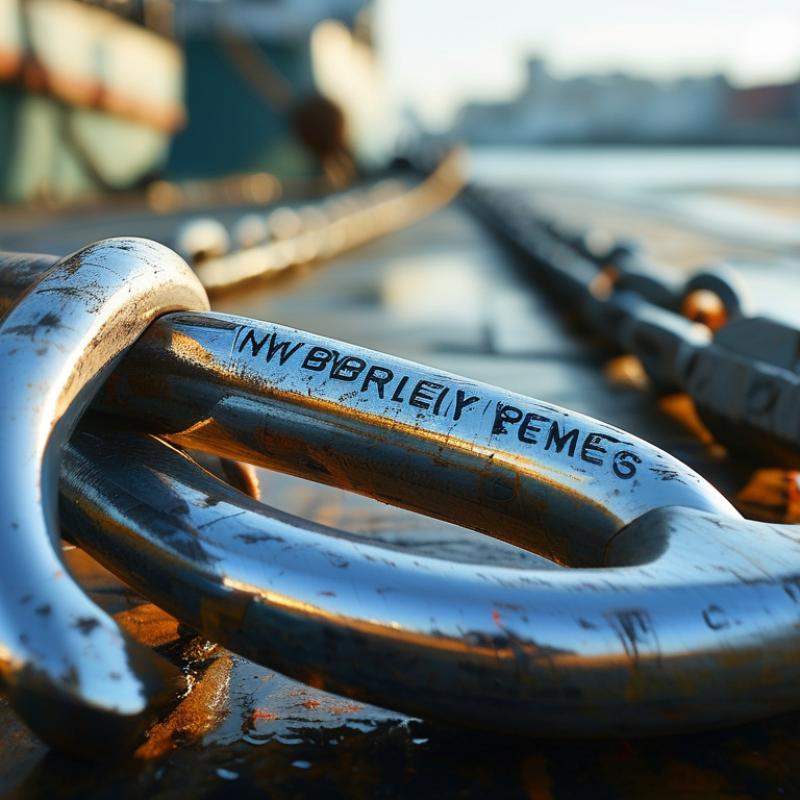
A studless anchor chain is made from welded steel links without crossbars. This design gives each link a clean, open shape. It also reduces weight compared with many stud-link alternatives. The chain usually includes common links, enlarged end links, joining shackles, and a swivel assembly. Each part must fit the vessel’s windlass and anchor system. A mismatch can cause poor seating, twisting, or difficult recovery.
In practical inspections, buyers should examine weld quality, link dimensions, surface finish, and test records. Anchor chains face seawater, impact, tension, and repeated bending. Therefore, material grade and proof-load performance matter greatly. Studless chain is often used on commercial ships, workboats, offshore support vessels, and temporary mooring systems. Its smooth links pass through handling equipment efficiently. However, lighter weight does not mean unlimited strength. That assumption deserves more thought.
Tips:
Confirm the required chain diameter before ordering. Check the vessel’s chain pocket profile. Request material certificates and proof-test results. Inspect for cracks, deep corrosion, and uneven wear. Leave enough length for local anchoring conditions. A useful detail is the joining hardware; small dimensional errors can stop an otherwise suitable chain from working. Corrosion protection also needs attention, although coating performance may vary in harsh waters. The “best” chain is not always the heaviest one. It is the correctly tested chain that matches the vessel, seabed, equipment, and operating conditions.
Key Standards for Evaluating Studless Anchor Chain Quality
What Is the Best Studless Anchor Chain for Global Buyers?
Key Standards for Evaluating Studless Anchor Chain Quality
The best studless anchor chain is not chosen by price alone. Buyers should examine material grade, link dimensions, weld quality, and tested performance. ISO 1704 provides useful dimensional and strength guidance for marine anchor chains. Classification requirements may also apply, depending on the vessel and purchasing specification. Every link should show consistent geometry, smooth welding, and controlled heat treatment. Uneven surfaces can indicate weak processing. Measure twice.
A reliable supplier should provide mill certificates, heat-treatment records, proof-load results, and breaking-load reports. Traceability matters when a batch reaches a busy port months later. The chain should also match the specified diameter and tolerance, not only the catalog description. Certificates can mislead. Independent inspection is valuable, especially for large international orders.
Tips: Ask for batch-level documents, not generic samples. Confirm whether testing follows ISO 1704 or another agreed standard. Inspect several links for cracks, sharp weld transitions, corrosion, and distorted shapes. Check packaging carefully; wet storage can damage surface protection before installation. Buyers should also clarify joining links, end fittings, coating options, and replacement procedures. A small mismatch can create expensive delays. I would not approve a chain from paperwork alone; physical inspection and clear acceptance criteria provide stronger confidence.
How Material, Manufacturing, and Testing Affect Chain Performance
What Is the Best Studless Anchor Chain for Global Buyers?
How Material, Manufacturing, and Testing Affect Chain Performance
For global buyers, the best studless anchor chain begins with properly selected steel. Low-alloy forged steel offers strength, toughness, and reliable performance in seawater. Its chemical composition must support welding and heat treatment. A strong chain can still fail when steel cleanliness is poor. That detail is easy to miss.
Manufacturing control matters just as much. Forging should create consistent link geometry and reduce internal defects. Flash butt welding requires stable pressure, heat, and alignment. Uneven weld collars may signal weak process control. Heat treatment, including normalizing or quenching and tempering, develops the required balance between hardness and toughness. Excessive hardness is not always an advantage. Brittle links can perform badly under shock loads.
Testing should verify more than breaking strength. Proof-load testing checks each chain length under controlled force. Tensile tests confirm ultimate capacity, while bend and dimensional inspections reveal production weaknesses. Surface examination can identify cracks near weld areas. Material certificates, heat numbers, and traceability records support dependable purchasing decisions. Classification requirements may differ by vessel type and operating region, so buyers should confirm them before ordering. In practice, paperwork can look complete while inspection details remain unclear. Ask for calibrated equipment records and independent verification when the application is critical. Small gaps matter.
What Is the Best Studless Anchor Chain for Global Buyers?
Higher chain grades generally provide greater minimum specified tensile strength. In practice, buyers should evaluate this value together with steel quality, controlled heat treatment, weld consistency, dimensional accuracy, proof-load testing, breaking-load testing, and traceable inspection records. U2 and U3 are commonly used anchor-chain grades, while R3 and R4 values are widely referenced for higher-strength offshore mooring applications. Actual requirements must be confirmed against the applicable class rules and purchasing specification.
Choosing the Best Studless Anchor Chain for Different Vessel Types
What Is the Best Studless Anchor Chain for Global Buyers?
Choosing the best studless anchor chain depends on vessel type, anchoring depth, and operating conditions. UNCTAD’s Review of Maritime Transport 2024 reports a global fleet exceeding 2.4 billion deadweight tonnes. This fleet includes tankers, bulk carriers, container ships, tugs, and offshore vessels. Their anchoring demands are not identical.
Large bulk carriers often need higher holding reliability during deep-water anchoring. Tankers may require careful corrosion control and certified material performance. Tugs and workboats usually value lighter handling, especially during frequent anchoring operations. Studless chain can reduce weight and simplify handling.
However, its proof load and breaking load must match the vessel’s classification requirements. ISO 1704 and classification society rules provide essential dimensional and testing guidance.
A practical inspection should check links, joining shackles, corrosion loss, and windlass compatibility. Small errors can become expensive failures.
Tips:
Compare chain grade, diameter, length, and certified breaking load together. Ask for mill certificates and proof-test records. Check the chain against the windlass gypsy before shipment. Do not select only by price. A lower-weight option may look efficient on paper, but that judgment is incomplete. Real sea conditions often expose weak assumptions. For offshore vessels, review seabed type and current data with the chain specification. For smaller workboats, handling speed matters, but safe reserve strength matters more.