2026 Best Over Center Buckle Types for Global Buyers?
Choosing the best Over Center Buckle in 2026 requires more than comparing prices or polished product photos. Global buyers must examine clamping strength, material quality, corrosion resistance, and repeatable performance. A buckle used on a stainless-steel equipment case faces different demands from one fitted to a canvas cover or transport container. Small details matter, including hook geometry, spring tension, mounting-hole spacing, and the smoothness of the release lever.
The strongest options usually include standard draw latches, adjustable Over Center Buckle designs, lockable versions, and heavy-duty models for vibration-prone equipment. Each type solves a different problem. No single buckle wins every application. That assumption is easy to make, and often wrong. Experienced purchasing teams should request technical drawings, load-test evidence, material specifications, and sample units before approving large orders. Stainless steel may suit humid coastal conditions, while zinc-plated steel can offer practical value in controlled environments. However, surface treatment alone does not guarantee long-term protection.
Reliable suppliers should explain their inspection process, production tolerances, packaging methods, and traceability records. Buyers should also verify compatibility with local product requirements and industry standards before shipment. A latch that closes perfectly in a workshop may loosen after repeated vibration, dust exposure, or temperature changes. Testing should reflect real use, not only catalog claims. This guide compares the 2026 best Over Center Buckle types for global buyers, while recognizing an important limitation: supplier data is not always presented consistently. Careful verification remains essential.
What Is an Over Center Buckle and How Does It Work?
2026 Best Over Center Buckle Types for Global Buyers
What Is an Over Center Buckle and How Does It Work?
An over center buckle is a mechanical fastener that holds tension by moving its lever past a central pivot point. The buckle usually includes a base, hook, lever, and adjustable strap or wire. When the lever closes, the linkage passes the center position and creates a locking effect. Pulling force then presses the lever more firmly against its base. This simple action helps secure panels, covers, cases, and equipment during transport or daily use.
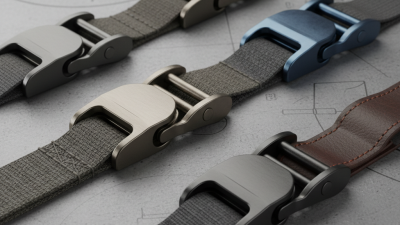
Common types include wire-hook buckles, stamped metal buckles, adjustable draw latches, and models with safety catches. Wire hooks suit flexible connections. Stamped designs work well for compact assemblies. Adjustable versions help manage changing tension. From practical sourcing experience, material thickness and pivot quality often matter more than appearance. Stainless steel resists moisture, while plated steel can reduce cost. However, surface treatment quality may vary between suppliers. That deserves inspection.
Tips: Check the working load, closed height, hook shape, and mounting-hole spacing. Test the buckle under realistic vibration and repeated opening cycles. Do not judge strength by hand feel alone. A small buckle may look sturdy but deform under uneven loading. Request samples, drawings, and material details before large-scale purchasing. In practice, no buckle is perfect. Fit and maintenance still influence reliability.
Key Over Center Buckle Types Available in 2026
2026 Best Over Center Buckle Types for Global Buyers?
Key Over Center Buckle Types Available in 2026
Over center buckles help secure panels, cases, covers, and transport equipment. Their value comes from controlled tension and quick release. Wire buckles suit light and medium-duty enclosures. They work well with flexible straps and compact metal frames. Hook-type buckles offer faster engagement. Their curved hooks fit rods, rings, or fixed plates. Check the hook opening carefully.
Draw latches provide stronger compression for rigid covers. They are common on tool cases, cabinets, and industrial boxes. Adjustable buckles allow users to fine-tune strap tension. This matters when materials expand, shrink, or vibrate during transport. Some models include safety catches. Others accept locking devices for controlled access. Not every latch needs that feature.
Material choice remains important. Stainless steel handles moisture and outdoor exposure better than untreated steel. Zinc-plated steel may reduce cost, but surface damage can expose the base metal. I would not trust a catalog load alone. Test the buckle with the actual panel, gasket, and mounting hardware. Small installation errors can change performance. Quite often, the buckle is blamed unfairly. Buyers should compare working load, breaking load, cycle testing, corrosion results, hole spacing, and replacement availability. A practical sample trial still reveals problems that drawings miss.
2026 Best Over Center Buckle Types for Global Buyers
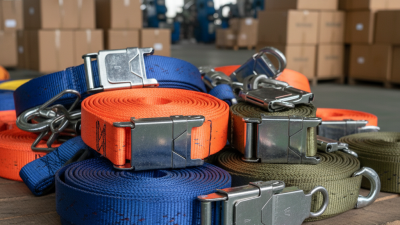
Key over center buckle types and their representative nominal webbing-width ranges used in global tie-down and cargo-restraint applications.
Standard and stainless-steel buckles are commonly selected for general-purpose and corrosion-resistant applications. Heavy-duty buckles generally support wider webbing, while adjustable and quick-release designs prioritize installation flexibility. Actual working load limits depend on buckle construction, webbing strength, and applicable regional safety requirements.
How to Compare Materials, Load Ratings, and Durability
2026 Best Over Center Buckle Types for Global Buyers
Choosing an over center buckle starts with the application, not appearance. Wire-loop buckles suit light covers, bags, and adjustable straps. Draw latches provide stronger compression for cases, panels, and equipment enclosures. Hook-style buckles work well when quick release matters, but their exposed hooks need careful guarding. Shorter levers usually fit tighter spaces. Longer levers can create higher closing force, yet they may stress thin mounting panels.
Material affects both strength and service life. Stainless steel handles moisture, salt air, and frequent cleaning better than ordinary plated steel. Zinc-plated steel can offer practical strength at a lower cost, but scratches may expose the base metal. Aluminum keeps weight low, though it may bend sooner under repeated heavy loads. Check the fasteners too. A strong buckle can still fail when attached to weak sheet metal.
Load ratings require careful reading. Separate working load, maximum load, and breaking load. They are not interchangeable. A reliable supplier should explain test direction, mounting method, cycle count, and safety factor. Ask for corrosion testing when the buckle will face rain, coastal air, or chemical cleaning. Durability also depends on alignment. Even a high-rated latch may wear quickly when the keeper sits off-center. I have seen polished hardware hide poor fit. That is easy to miss. Compare samples under real vibration, repeated opening, and temperature changes before placing a large order. A small trial often reveals more than a catalog rating.
Which Buckle Features Suit Different Global Applications?
Choosing an over center buckle starts with the application, not appearance.
A compact stainless steel buckle suits marine boxes, outdoor equipment, and humid storage areas. Zinc-plated steel can serve indoor machinery covers and general transport cases. For lightweight bags, reinforced polymer may reduce weight and surface scratching. However, polymer performance can change under heat, cold, or repeated impact.
Different users need different features.
A buckle with an adjustable loop helps secure uneven loads or variable panel thicknesses. A safety catch reduces accidental release during vibration. Wide handles improve control when workers wear gloves. Welded construction usually offers better stability than thin stamped parts, but it can increase cost. Check the working load, not only the breaking load. In practical testing, alignment errors often reduce holding strength. My own early selections focused too much on material and overlooked installation space.
Tips:
Compare corrosion resistance, operating temperature, handle clearance, and fastener strength. Test the buckle with the actual gasket, panel, or strap. Leave room for movement. A perfect fit on paper may fail during assembly. Ask suppliers for dimensional drawings, load-test records, and material details. For global applications, clear documentation supports more reliable purchasing and quality checks. Avoid assuming one buckle type fits every market. Local climate, transport vibration, maintenance habits, and operator access can change the best choice. Small details matter.